
Varicose veins are enlarged, swollen, and twisted veins that are visible just under the surface of the skin, most commonly appearing in the legs.
They occur when the veins in the lower body are placed under increased pressure, such as from prolonged standing or walking, which affects blood flow.
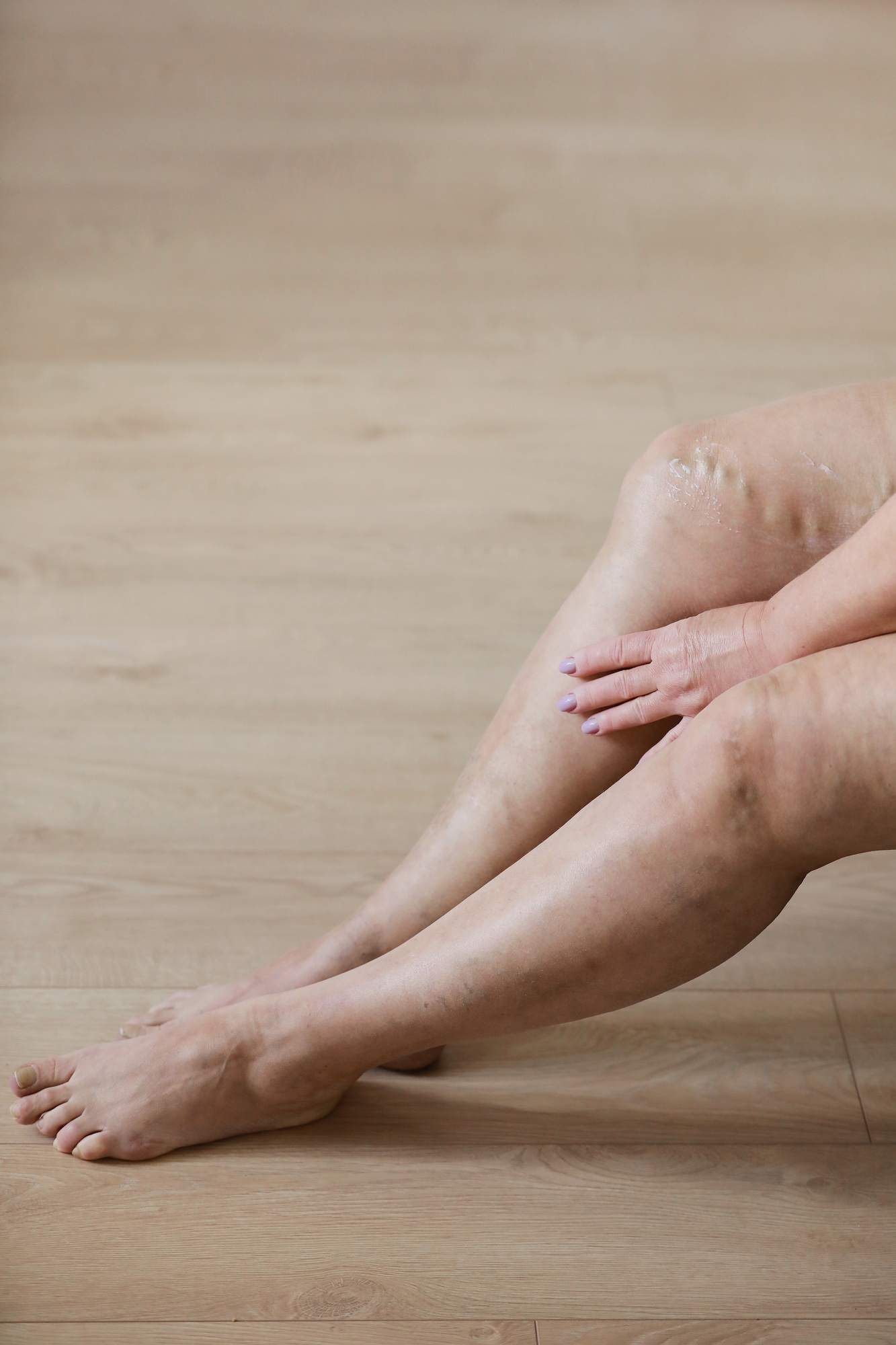

The typical signs and symptoms of varicose veins include:
Varicose veins are caused by weakened or damaged valves within the veins. While arteries carry blood from the heart to the rest of the body, veins are responsible for returning that blood to the heart.
To ensure blood flows in the correct direction, veins contain tiny one-way valves that open to let blood through and then close to prevent it from flowing backwards. If these valves become weak or damaged, blood can leak backwards and pool in the vein.
This accumulation of blood causes the vein to stretch and twist, resulting in the characteristic appearance of varicose veins.
Dr Shaik offers:
Treated veins won't return, but new varicose veins can develop in other areas over time, especially if underlying risk factors persist.
Success rates are high - over 95% of patients see significant improvement. Wearing compression stockings and maintaining a healthy lifestyle can help prevent new varicose veins from forming.
Modern minimally invasive treatments are much more comfortable than traditional surgery. Most procedures are done under local anaesthesia with minimal discomfort.
You may experience some aching or tightness for a few days afterwards, but most patients return to normal activities within 24-48 hours.
Most patients return to desk work the next day. If your job involves prolonged standing or heavy lifting, you may need 3-5 days off.
You'll need to wear compression stockings for 1-2 weeks and avoid strenuous exercise for about a week, but normal walking is encouraged immediately.
Avoid hot baths, saunas, and direct sunlight on treated areas for 2 weeks. No swimming for 48 hours, and avoid high-impact exercise for 1 week.
Flying long-haul should be avoided for 2 weeks due to blood clot risk. Your surgeon will provide a detailed activity guide.
Deep vein thrombosis (DVT) typically causes sudden onset of severe calf pain, significant swelling, warmth, and redness, often affecting the entire leg.
This is a medical emergency. Varicose veins cause more gradual aching and visible surface veins. If you're unsure, seek immediate medical assessment.
Peripheral arterial disease (PAD) occurs when narrowed arteries reduce blood flow to your limbs, typically the legs. Dr Shaik offers:
