
Peripheral Arterial Disease, commonly known as PAD, is a circulatory condition where the arteries that supply blood to your limbs, usually the legs, become narrowed.
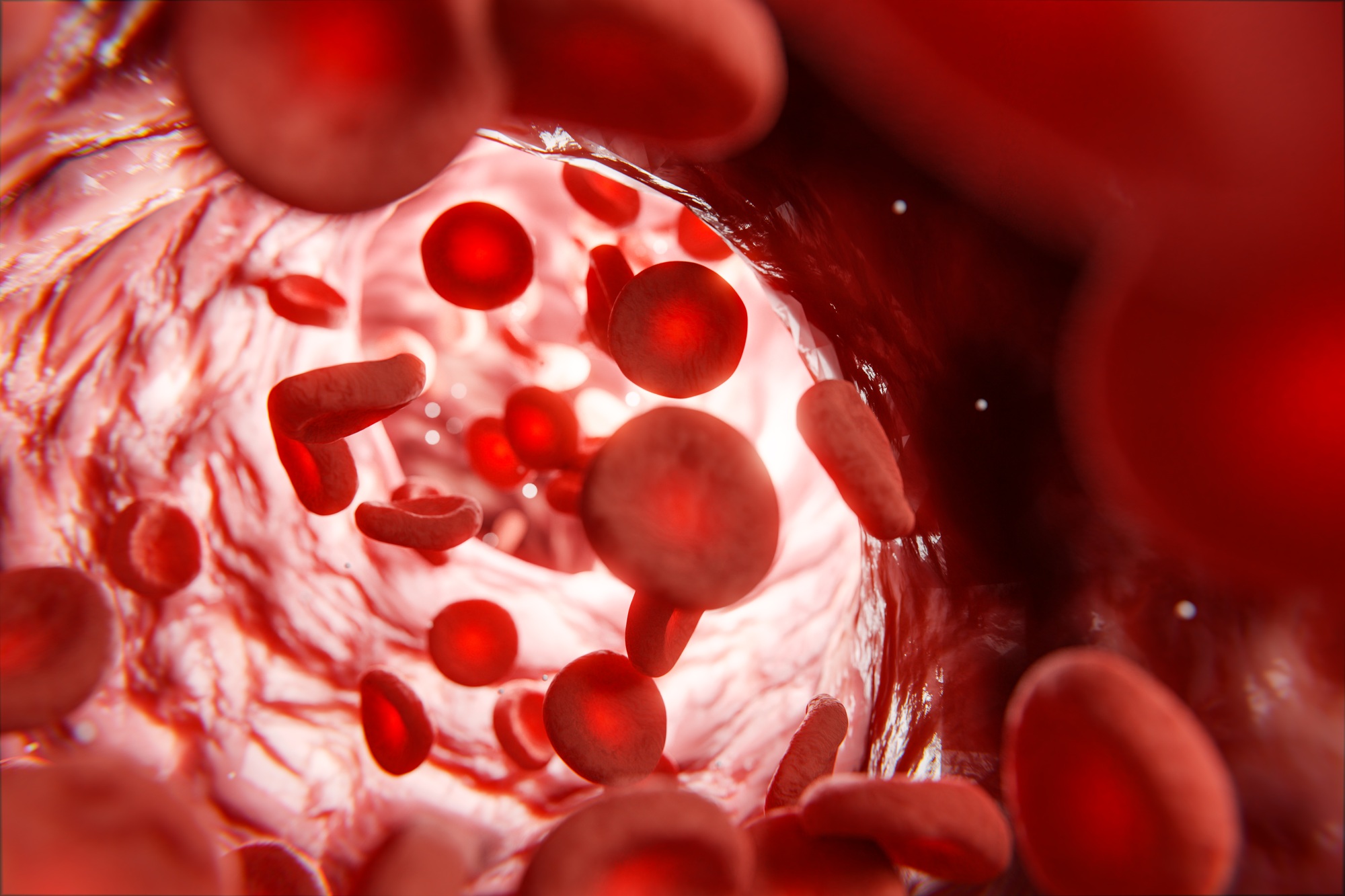
This narrowing restricts blood flow and is most often caused by atherosclerosis, the gradual build-up of fatty plaque within the arterial walls.

The signs of PAD can vary, but common symptoms include:
Atherosclerosis is the primary cause of Peripheral Arterial Disease. This process involves the accumulation of a sticky substance called plaque (composed of fat, cholesterol, calcium, and other materials) inside the arteries. As plaque builds up, the arteries harden and narrow, reducing blood flow. Key risk factors that contribute to the development of PAD include:
Although these factors increase the risk, PAD can sometimes develop in individuals without any of these known risk factors.
Dr Shaik offers:
PAD progression varies greatly between individuals. Some people remain stable for years, whilst others may worsen rapidly.
The good news is that progression can often be slowed or stopped through aggressive risk factor modification, particularly smoking cessation and diabetes control. Early intervention is key to preventing complications.
This depends on the extent of your disease and how well initial treatments work. Some patients achieve excellent results with a single procedure, whilst others may need staged treatments over time.
Your surgeon will discuss whether all affected areas can be treated simultaneously or if a stepwise approach is better for your situation.
Success is measured by symptom improvement - you should notice less pain when walking, better healing of wounds, and improved circulation.
Objective measures include improved ankle-brachial index readings and better blood flow on follow-up scans. Most patients notice improvement within weeks of successful treatment.
Yes, poor circulation from PAD can significantly delay healing and increase infection risk for any lower limb injuries or surgeries.
This is why it's important to treat PAD before elective procedures when possible. Your surgeon will assess your circulation before any planned surgery and may recommend PAD treatment first.
In advanced cases where revascularisation isn't possible, treatment focuses on pain management, wound care, and preserving as much limb function as possible.
However, with modern techniques, very few patients are considered untreatable. Even partial improvement in blood flow can make a significant difference to quality of life.
Peripheral arterial disease (PAD) occurs when narrowed arteries reduce blood flow to your limbs, typically the legs. Dr Shaik offers:
