
Dialysis access surgery is a specialised procedure performed by vascular surgeons like Dr MZ Shaik to create a durable and reliable point of access for haemodialysis.
Haemodialysis is a life-sustaining treatment for patients living with kidney failure. This surgical access is crucial for individuals whose kidneys are no longer able to adequately filter waste products and excess fluid from the blood.
By establishing this stable access, haemodialysis can be performed effectively to remove toxins and manage fluid levels, thereby replicating the essential functions of the kidneys
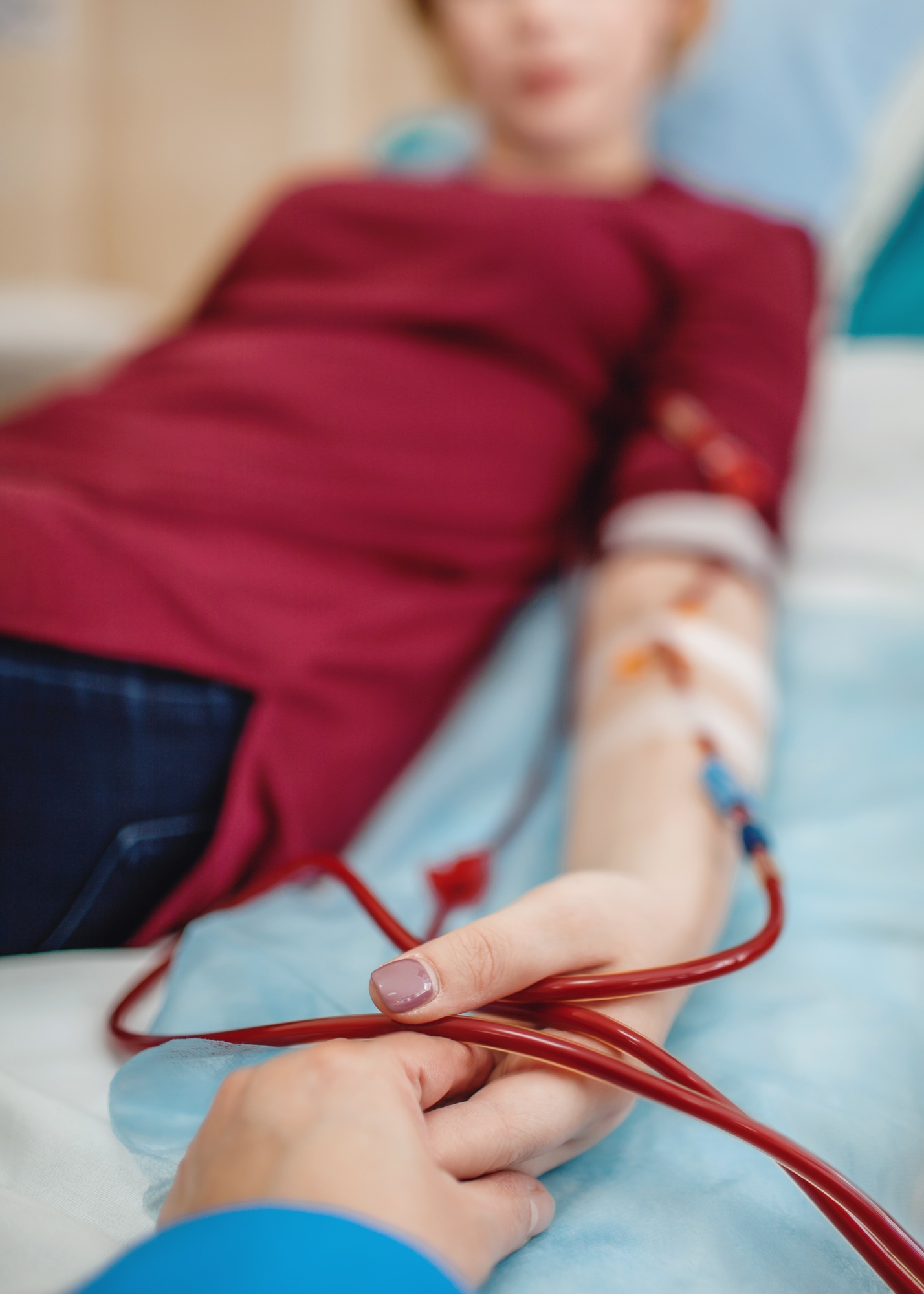
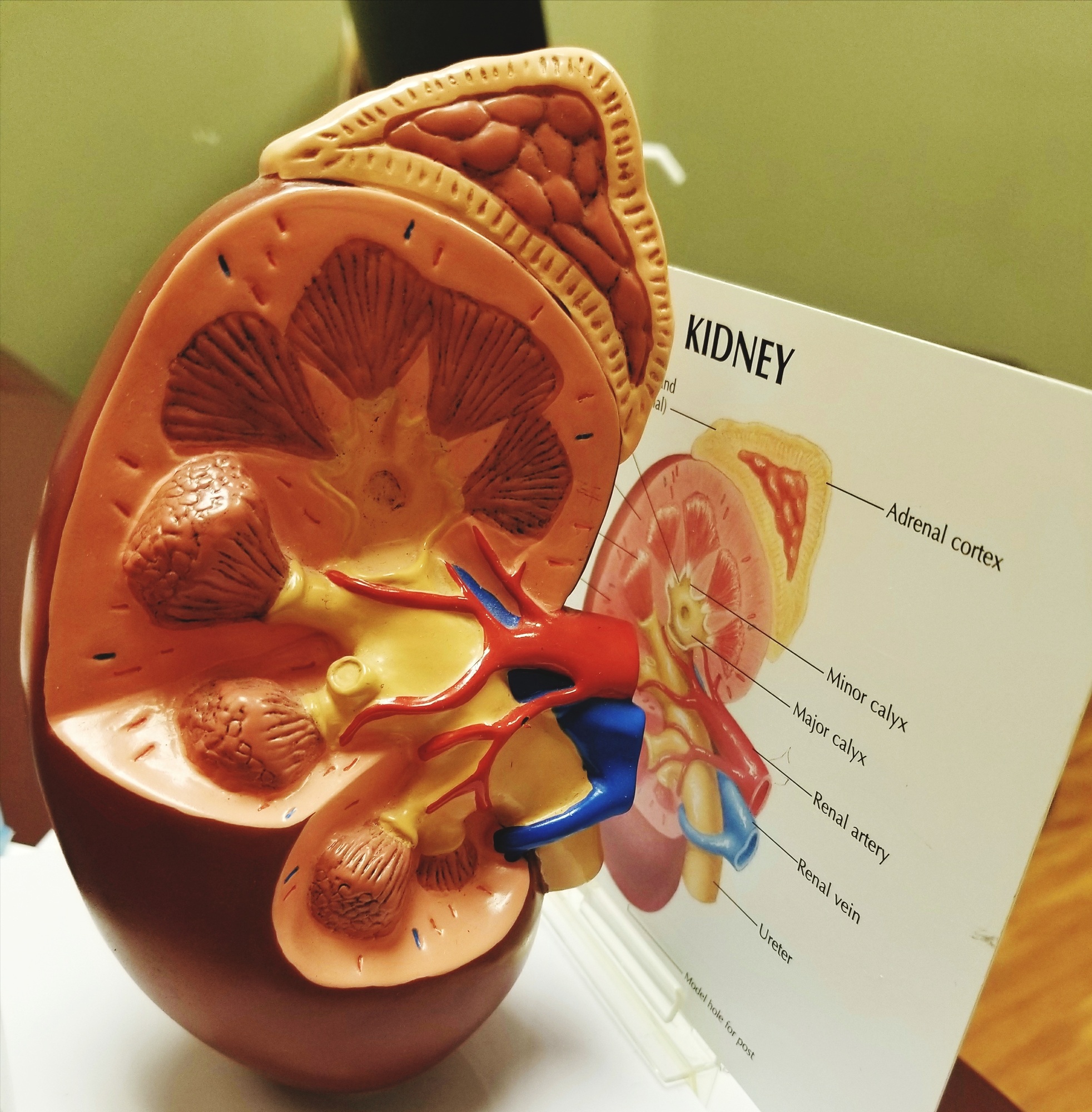
Dialysis access surgery is required when a patient’s kidney function has deteriorated to the point that haemodialysis is necessary to maintain their health and wellbeing.
This situation typically arises from chronic kidney disease, but it can also be the result of an acute kidney injury or other medical conditions that impair kidney function. Furthermore, patients who are waiting for a kidney transplant often need dialysis access to serve as a vital ‘bridge’ therapy until a suitable donor organ is found.
Dr MZ Shaik will conduct a thorough assessment of each patient’s medical history, current kidney function, and overall vascular health to decide the optimal timing and type of access required.
Dialysis access surgery involves several different procedures designed to create a long-lasting vascular access point for haemodialysis. Dr MZ Shaik utilises a range of techniques to suit individual patient needs.
These include the creation of an arteriovenous (AV) fistula, which connects an artery directly to a vein, or the placement of an arteriovenous (AV) graft, which uses a synthetic tube to connect the artery and vein.
In cases where long-term access is not immediately feasible or required, a central venous catheter, such as a Permcath, may be placed.
Creating and maintaining reliable access for kidney dialysis:
AV fistulae are preferred when possible as they last longest (5-10 years) with lowest complication rates, but require good blood vessels and 2-4 months to mature.
AV grafts can be used sooner (2-3 weeks) but don't last as long (2-5 years).
Catheters are for immediate use but have higher infection and clotting risks.
Most access surgery is done as day surgery under local anaesthesia with sedation. The procedure typically takes 1-2 hours.
You'll go home the same day with your arm in a sling and specific care instructions. Pain is usually mild and managed with simple painkillers.
Don't allow blood pressure measurements, injections, or blood draws from your access arm. Avoid sleeping on that arm, carrying heavy bags with that arm, or wearing tight sleeves.
Check your access daily for the thrill (vibration) and report any changes immediately.
Contact your team immediately if you notice: loss of the thrill or bruit (the vibration/sound), excessive swelling, severe pain, signs of infection (redness, warmth, discharge), or if dialysis becomes difficult.
Early detection of problems often allows for repair rather than replacement.
Often yes - many access problems can be fixed with balloon angioplasty, stenting, or surgical revision rather than creating entirely new access.
The key is early detection through regular monitoring. Even "failed" accesses can sometimes be salvaged if problems are caught quickly.
Peripheral arterial disease (PAD) occurs when narrowed arteries reduce blood flow to your limbs, typically the legs. Dr Shaik offers:
