
The term ‘diabetic foot’ refers to a range of foot-related complications that commonly affect people with diabetes.
High blood sugar levels over a prolonged period can lead to two main problems that put the feet at risk: nerve damage (peripheral neuropathy) and poor circulation (peripheral arterial disease).
Neuropathy can cause a loss of feeling in the feet, meaning injuries like cuts or blisters may go unnoticed. Poor circulation impairs the body’s ability to heal, so these minor injuries can quickly develop into serious infections, ulcers, and, in severe cases, may require amputation.
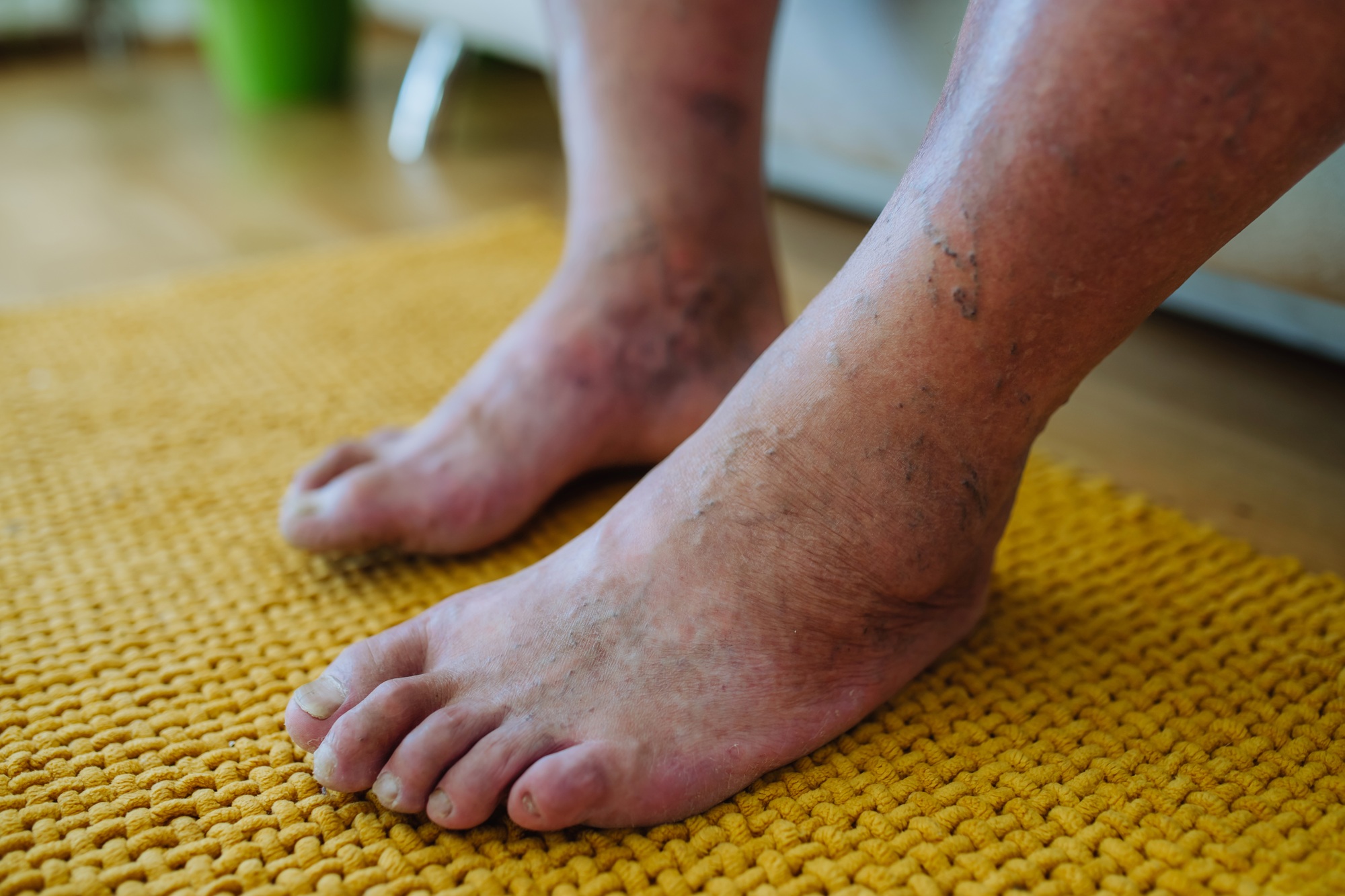
It is vital for individuals with diabetes to inspect their feet daily and be aware of the following signs and symptoms:
The underlying causes of diabetic foot problems are directly linked to the long-term effects of high blood glucose levels (hyperglycaemia):
Diabetic patients face unique vascular challenges that can threaten limb preservation. Our specialised care includes:
This depends on your risk level. High-risk patients (previous ulcers, severe neuropathy, or poor circulation) may need quarterly visits.
Moderate-risk patients typically need 6-monthly assessments, whilst low-risk patients may only need annual vascular screening. Your team will determine the appropriate frequency for your situation.
Better glucose control is crucial for healing, but existing damage from neuropathy is usually permanent.
However, good control can prevent further nerve damage and significantly improve your body's ability to heal wounds. Most patients see improvement in healing within 2-3 months of achieving better glucose control.
Success rates for diabetic patients are good, though slightly lower than non-diabetics.
Pedal arch revascularisation has success rates of 70-85% for limb salvage. The key is early intervention before extensive tissue loss occurs.
Your surgeon will assess your individual anatomy and likelihood of success.
Home wound care involves cleaning with saline and applying appropriate dressings, but should never involve cutting or aggressive cleaning.
Professional debridement removes dead tissue and biofilm that prevents healing - something that cannot be safely done at home. Attempting to cut away tissue yourself can lead to serious complications.
Seek immediate care for signs of serious infection: red streaking up your leg, fever, chills, rapid spreading of redness, foul-smelling drainage, or if you feel systemically unwell.
Also seek urgent care for any new open wounds, sudden severe pain, or significant colour changes in your foot.
Peripheral arterial disease (PAD) occurs when narrowed arteries reduce blood flow to your limbs, typically the legs. Dr Shaik offers:
